Categories





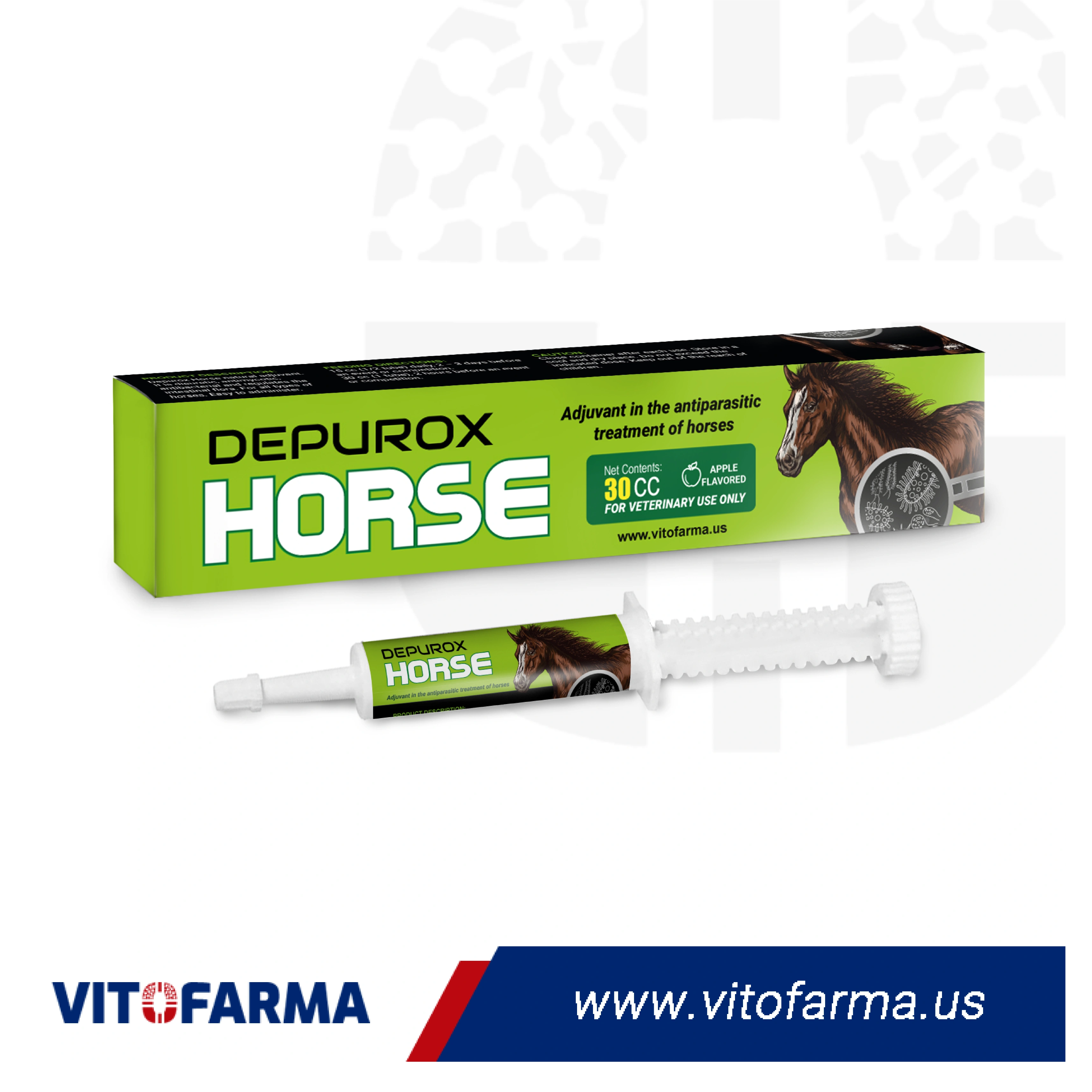
In order to take care of the beauty and health of a horse, it is important to take into account several factors, one of the most important of which is the elimination of parasites and for this the use of horse dewormer.
Before starting the deworming process, correct use depends on several factors such as its feed and the number of horses with which it lives. Wise sanitary management can determine that deworming is a preventive measure.
The ideal is to deworm your horse 3 times a year, changing the product used once a year to eliminate the different types of parasites that are not combated with traditional drugs. Since if they are not dewormed they can present Anemia, colic, ulcers among more diseases due to excess parasites.

How should a horse be dewormed?
If your horse is in pain or discomfort, it is advisable to check for internal parasites with the help of a specialist veterinarian who will analyze a sample of the horse’s feces to verify the type of parasite it has and what deworming measures to administer.
Frequent follow-up with the veterinarian, analysis and periodic administration of dewormers help keep horses healthy. The products that can be used are of the gel, syringe or paste type to deworm.

To know the correct dose it is necessary to know the weight of the horse and with the syringes the medicine is applied orally or the medicine can also be combined with its food such as cereals or grains and enough is used for a single meal.
At the same time, as mentioned above, maintaining a clean environment will serve to improve the effectiveness of the horse dewormer, as horses with parasites may infect other horses and be unable to meet our goal of removing all parasites from your horses.

Benefits of using different families of horse dewormer
The greatest benefit of using dewormer for horses is that the horse itself will be healthy and will be able to have a good physical condition to carry out any type of activity.
Deworming products help your horse a lot in other aspects such as reducing colic, full development in foals and a broad spectrum.

The various products of the Bemzimidazolados family contain Oxibendazole and Febendazol, which are responsible for quickly killing parasites.
The Pyranteles family which includes Pyrantel and Tartrate which kill parasites through slow acting paralysis.
And finally, there are the Macrocyclic Lactones, which contain Ivermectin and Moxidectin. These, like the previous family, also act through paralysis, but they not only eradicate nematodes, they also take care of small resistant strongyles and rennet worms or gastrophils.

Recommended Products: